Hongdae & Sinchon Body Contouring Surgery
in Seoul, Korea
Body contouring surgery includes procedures designed to reshape the body by removing excess fat, loose skin, or improving overall proportions. Treatment may include liposuction, tummy tuck, body lifts, or combined procedures depending on individual anatomy and goals. Patients seeking body contouring surgery in Hongdae or Sinchon should consider treatment areas, surgical technique, and recovery needs.
If you are concerned about loose skin, localized fat, or changes in body shape after major weight loss, pregnancy, aging, or weight fluctuations, Body Contouring Surgery may be considered to improve proportions across multiple areas. Treatment can include procedures such as Tummy Tuck, Arm Lift, Thigh Lift, Liposuction, lower body lift, or selected breast and buttock contouring procedures, depending on individual anatomy.
Hongdae and Sinchon are convenient areas for Body Contouring Surgery consultations in Seoul, especially for international residents and travelers considering post-weight-loss or multi-area body procedures.
What Is Body Contouring Surgery?
Body Contouring Surgery refers to a group of surgical procedures used to reshape areas affected by excess skin, residual fat, or soft-tissue laxity.
Common treatment areas include:
- Abdomen and waist
- Upper arms
- Inner and outer thighs
- Hips and lower body
- Buttocks
- Breasts or chest
- Back and lateral torso
Body contouring is especially common after substantial weight loss because reduced fat volume can leave redundant skin across several anatomical regions.
Consultation → full-body assessment → procedure prioritization → surgical staging or combination planning → tissue removal and contouring → recovery → follow-up.
When Might You Consider Body Contouring Surgery?
Body Contouring Surgery may be considered for:
- Excess skin after major weight loss
- Loose abdominal skin
- Hanging upper-arm tissue
- Inner-thigh skin laxity
- Lower-body skin folds
- Persistent localized fat
- Body asymmetry
- Multiple areas requiring coordinated contouring
- Functional discomfort from redundant skin
Large longitudinal research in patients after bariatric surgery found that those who later underwent Body Contouring Surgery maintained improvements in appearance satisfaction and health-related quality of life over long-term follow-up.
Common Body Contouring Procedures
Tummy Tuck
A Tummy Tuck, or abdominoplasty, removes selected excess abdominal skin and may include abdominal-wall tightening and Liposuction depending on anatomy.
Abdominal contouring is one of the most frequently performed procedures within broader post-weight-loss body contouring.
Arm Lift Surgery
Brachioplasty removes excess upper-arm skin and may be combined with fat reduction when necessary.
It is particularly useful when substantial loose skin remains after weight loss and cannot be corrected adequately with Liposuction alone.
Thigh Lift Surgery
Thighplasty removes redundant thigh skin, commonly along the inner thigh.
Vertical, horizontal, or combined scar patterns may be used depending on how far the excess tissue extends. Thighplasty is also included among procedures with meaningful wound-healing considerations in post-weight-loss patients.
Liposuction
Liposuction removes selected subcutaneous fat and may be performed alone or combined with skin-removal procedures.
It cannot replace surgical skin excision when substantial laxity is present, but it may help refine transitions between treated body regions.
Lower Body Lift
A Lower Body Lift is a more extensive procedure that can address circumferential skin laxity involving the abdomen, flanks, hips, and buttock region.
It is commonly considered after massive weight loss when excess tissue extends beyond the front of the abdomen. Because the surgical area is large, wound separation and seroma can be relatively frequent; in one prospective 50-patient study, 70% developed at least one complication, although many were wound-related rather than severe systemic events.
The potential improvement must therefore be balanced against a more demanding recovery.
Body Contouring After Major Weight Loss
Substantial weight loss can leave loose skin affecting several areas at once.
Patients may notice:
- Abdominal skin folds
- Hanging upper arms
- Inner-thigh laxity
- Flattened or sagging buttocks
- Breast or chest deflation
- Loose back or flank tissue
An international longitudinal cohort of 5,620 bariatric patients found that patients receiving Body Contouring Surgery experienced sustained improvements in BODY-Q measures of appearance and quality of life compared with patients who underwent bariatric surgery alone.
Body contouring should usually be planned around the patient's current anatomy rather than attempting to recreate a pre-weight-loss body shape exactly.
Does the Method of Weight Loss Matter?
Patients may reach a lower weight through:
- Bariatric surgery
- Lifestyle modification
- GLP-1 medications
- Combined approaches
A recent cohort of 1,002 post-weight-loss patients found no significant difference in postoperative complication rates based solely on the method of weight loss. Higher BMI at surgery and diabetes were stronger independent predictors of complications in that study.
This means surgical planning should focus on the patient's current health, weight stability, skin condition, nutrition, and procedure extent, not simply how the weight was lost.
Should Body Contouring Procedures Be Combined?
Sometimes.
Combining procedures can reduce the number of separate operations and recovery periods, but performing too many major procedures together may increase surgical stress and complication risk.
A 2026 multicenter study of 1,182 massive-weight-loss patients found complication rates of:
- 3.6% with one procedure
- 5.1% with two procedures
- 20.2% with three procedures
- 22.4% with four procedures
The increase in the three- and four-procedure groups was driven largely by wound dehiscence.
For some patients, staged surgery may therefore provide a more appropriate balance between safety and convenience.
What Is Staged Body Contouring?
Staged surgery divides treatment into separate operations rather than addressing every body region in one session.
For example:
Stage 1: Abdomen and waist
Stage 2: Arms or breasts
Stage 3: Thighs or lower body
The order depends on:
- Patient priorities
- Surgical risk
- Expected operating time
- Scar placement
- Recovery needs
- Which procedure most affects other body regions
Recent multicenter data suggest that combining two procedures can be reasonable in carefully selected patients, while increasingly complex combinations may carry substantially more wound complications.
Body Contouring vs Liposuction
These terms are not interchangeable.
Liposuction
- Removes localized fat
- Does not directly remove significant loose skin
- Uses small cannula incisions
- Works best when skin elasticity is adequate
Body Contouring Surgery
- May remove both skin and fat
- Can include several surgical procedures
- Treats significant tissue laxity
- Often creates longer scars
Patients after major weight loss frequently need skin excision rather than fat removal alone because redundant skin may become the dominant concern.
Can Body Contouring Improve Functional Problems?
It may.
Excess skin can contribute to difficulties involving:
- Hygiene
- Skin irritation
- Clothing fit
- Physical activity
- Mobility
- Body-image concerns
Long-term research has shown sustained improvements in multiple psychosocial quality-of-life measures after Body Contouring Surgery following bariatric weight loss.
The magnitude of functional benefit depends on the amount and location of redundant tissue.
Weight Stability Before Surgery
Weight stability is an important part of planning.
Further substantial weight loss after surgery can create additional skin laxity, while significant weight gain may stretch tissues and alter the contour.
In a recent multicenter study evaluating combined procedures, the authors used stable weight for at least six months as part of their selection criteria for optimized massive-weight-loss patients.
The appropriate timing should still be determined individually.
Nutrition Before Body Contouring
Nutritional status deserves particular attention after substantial or bariatric weight loss.
A prospective cohort of 140 post-bariatric Body Contouring Surgery patients found wound-related complications remained common despite a structured nutritional optimization program, although sufficient postoperative protein intake showed a possible protective association.
Earlier large surgical datasets have also identified nutritional variables and multiple comorbidities as relevant to wound risk, although individual markers such as albumin are not consistently predictive across studies.
Preoperative assessment may therefore include broader medical and nutritional evaluation rather than relying on one laboratory value.
BMI and Surgical Risk
Higher BMI can increase complication risk in some Body Contouring Surgery populations.
A database study of 18,891 abdominal contouring patients found obesity independently predicted overall complications, wound complications, major complications, readmission, and reoperation, with risk increasing across higher BMI categories.
A separate study of 243,886 body-contouring patients also found obesity associated with greater risks of wound dehiscence, hematoma, and surgical-site infection.
BMI alone does not determine eligibility, but it is one factor in overall surgical risk assessment.
Smoking and Body Contouring Surgery
Nicotine exposure can be particularly concerning because large skin-flap procedures depend on adequate blood supply and wound healing.
In a cohort of 4,496 Body Contouring Surgery patients, tobacco use was independently associated with postoperative wound complications.
A broader cosmetic-surgery analysis of more than 129,000 patients also found smokers had higher major-complication rates after body procedures overall.
Patients should disclose smoking, vaping, nicotine replacement, and other nicotine use during consultation.
Possible Risks and Complications
Potential complications vary by operation but may include:
- Wound dehiscence
- Delayed healing
- Seroma
- Hematoma
- Infection
- Unfavorable scars
- Skin or fat necrosis
- Asymmetry
- Persistent swelling
- Sensory changes
- Venous thromboembolism
- Need for revision surgery
In a large database of 243,886 body-contouring patients, wound dehiscence and hematoma were among the most frequent postoperative complications, with obesity, tobacco use, diabetes, and hypertension associated with increased risk.
Wound Healing After Major Weight Loss
Minor wound problems can be relatively common after extensive post-weight-loss surgery.
A retrospective study of 158 massive-weight-loss patients found complications in 51%, with more than 80% classified as minor; superficial wound infections represented a large portion of these events.
A separate prospective nutritional cohort reported wound-related complications in 51% of patients, but major wound complications in only 4.3%.
These findings illustrate why overall complication percentages should be interpreted together with severity, rather than assuming every recorded event represents a major medical emergency.
Blood Clot Risk
Deep vein thrombosis and pulmonary embolism are important potential risks of major Body Contouring Surgery.
Risk can be influenced by:
- Procedure length
- Limited mobility
- BMI
- Previous clotting history
- Multiple combined procedures
- Other medical factors
Large body-contouring datasets report medical complications alongside wound-related complications, which is why individualized VTE risk assessment and postoperative mobility planning are important.
International patients should discuss the timing of long-distance flights with their surgeon before traveling home.
What Is Recovery Like?
Recovery depends heavily on which procedures are performed.
Temporary postoperative effects may include:
- Swelling
- Bruising
- Tightness
- Incision discomfort
- Temporary numbness
- Limited mobility
- Drain management
- Compression garments
- Scar redness
Recovery becomes more demanding as additional anatomical regions are treated during the same operation. Recent multicenter evidence found longer operative times and hospital stays when three or four body-contouring procedures were combined.
Will Body Contouring Leave Scars?
Yes.
Skin-removal surgery requires permanent incisions.
Scar location depends on the procedure:
- Lower abdomen for Tummy Tuck
- Upper arm for Brachioplasty
- Groin or inner thigh for Thigh Lift
- Circumferential lower torso for Lower Body Lift
- Additional scars for breast or chest contouring
Scar length usually reflects how much excess skin must be removed. Achieving meaningful correction of extensive post-weight-loss laxity often requires accepting longer scars.
Can Body Contouring Look Natural?
Yes.
Natural-looking results generally depend on:
- Treating the body as a connected three-dimensional shape
- Avoiding excessive tissue removal
- Smooth transitions between body regions
- Appropriate scar placement
- Balanced left-right contour
- Realistic staging of multiple procedures
The goal should be improved proportion and function rather than making every body region as small or tight as possible.
Long-term patient-reported studies show that Body Contouring Surgery can provide sustained improvements in appearance satisfaction after major weight loss.
Revision Body Contouring Surgery
Revision may be considered for:
- Residual loose skin
- Widened or unfavorable scars
- Asymmetry
- Contour irregularities
- Dog ears at scar ends
- Recurrent laxity
- Residual fat deposits
Revision strategy may involve scar correction, additional skin removal, Liposuction, or fat grafting, depending on the problem.
Revision surgery should generally be planned after the initial tissues have sufficiently healed and the final contour can be evaluated.
Body Contouring Surgery for International Patients
When contacting a plastic surgery clinic, consider asking:
- Is English consultation available?
- Which body areas should be treated first?
- Should my procedures be combined or staged?
- Is my weight stable enough for surgery?
- Should nutritional testing be performed?
- How long will my scars be?
- What is my personal wound-healing risk?
- How will blood-clot risk be managed?
- How long should I stay in Korea?
- When can I safely take a long-distance flight?
- Is postoperative follow-up included?
If you have previously undergone bariatric surgery, GLP-1-related major weight loss, Liposuction, Tummy Tuck, Body Lift, Arm Lift, or Thigh Lift, tell the surgeon because previous weight changes and surgery may affect planning. Recent post-weight-loss research suggests that current BMI and medical conditions such as diabetes can be more relevant to complications than the weight-loss method itself.
Choosing a Body Contouring Surgery Clinic in Hongdae or Sinchon
Consider:
- Qualified plastic surgeon
- Experience with multi-area Body Contouring Surgery
- Experience with post-weight-loss patients
- Detailed full-body assessment
- Clear staged vs combined surgery plan
- Wound and scar-management protocols
- Nutritional and medical risk assessment
- VTE prevention planning
- English communication
- Transparent surgery costs
Large clinical datasets consistently show that Body Contouring Surgery outcomes depend on patient health, BMI, procedure extent, comorbidities, smoking status, and how multiple procedures are combined.
Hongdae & Sinchon Medical Care
Hongdae is convenient for patients around:
Hongik University · Yeonnam-dong · Hapjeong · Sangsu · Mapo
Sinchon is convenient for patients around:
Yonsei University · Ewha Womans University · Seodaemun · Mapo
Common searches include:
- Body Contouring Surgery Hongdae
- Post Weight Loss Surgery Hongdae
- Body Lift Hongdae
- Body Contouring Surgery Sinchon
- Post Bariatric Body Contouring Sinchon
- English speaking plastic surgery clinic Sinchon
Frequently Asked Questions
What is Body Contouring Surgery?
Body Contouring Surgery includes procedures designed to remove excess skin, reduce selected fat, and reshape body proportions. Common procedures include Tummy Tuck, Arm Lift, Thigh Lift, Liposuction, and Lower Body Lift.
Is Body Contouring only for people who had bariatric surgery?
No. It may be considered after weight loss from bariatric surgery, medications, lifestyle changes, pregnancy, or other body changes. Recent research found that postoperative risk was not determined solely by the method used to lose weight.
Can several Body Contouring procedures be done together?
Yes, in selected patients. However, a recent multicenter study found substantially higher complication rates when three or four procedures were combined, compared with one or two procedures.
Are scars unavoidable?
For procedures that remove substantial loose skin, yes. Permanent surgical scars are the main tradeoff for removing redundant tissue, although their location and length vary according to the operation.
Can foreigners get Body Contouring Surgery in Seoul?
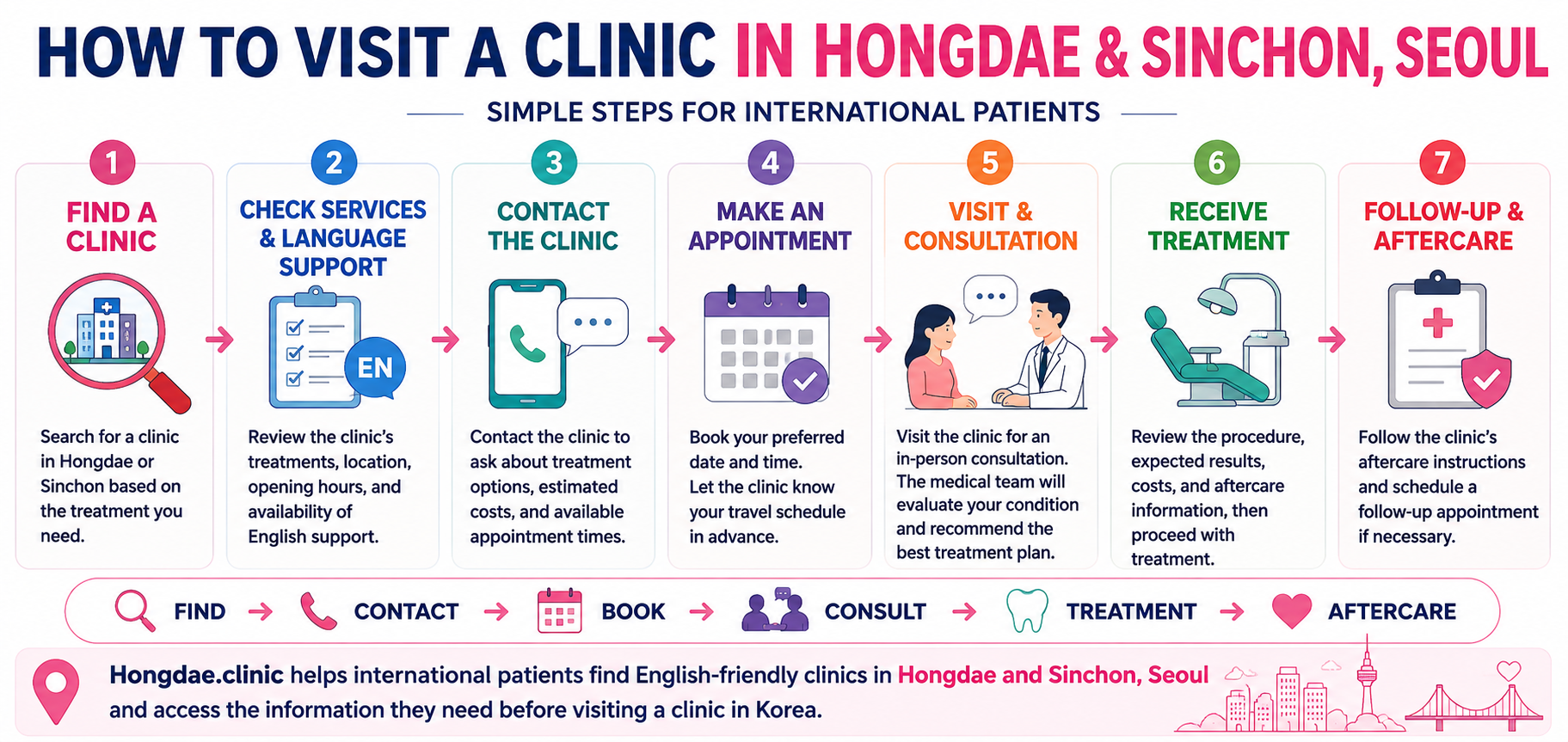
Yes. International patients can contact plastic surgery clinics in Seoul regarding procedure selection, staged surgical planning, medical risk assessment, recovery, scar management, postoperative monitoring, and English-language support.