Hongdae & Sinchon Jaw Reduction Surgery
in Seoul, Korea
Jaw reduction surgery is a procedure designed to reduce jaw width and create a slimmer, more balanced lower facial contour.
Treatment may involve reshaping the jawbone based on individual facial structure and aesthetic goals.
Patients seeking
jaw reduction surgery in Hongdae or Sinchon should consider surgical technique, facial proportions, and recovery needs.
If you are concerned about a wide, square, or strongly angled lower face, Jaw Reduction Surgery may be considered to create a slimmer and smoother mandibular contour. In facial contouring, this usually refers to mandibular angle reduction or mandibuloplasty, which reshapes selected portions of the lower jawbone rather than changing the dental bite.
Hongdae and Sinchon are convenient areas for jaw reduction consultations in Seoul, especially for international residents, students, and travelers seeking facial contouring procedures.
What Is Jaw Reduction Surgery?
Jaw Reduction Surgery is a facial contouring procedure that reduces excessive width or prominence of the mandible, particularly around the mandibular angle and lower border of the jaw.
Common surgical techniques include mandibular angle ostectomy, outer cortical bone reduction, lower-border contouring, and selected combinations with genioplasty. These procedures are particularly used when a broad or square lower face is caused primarily by skeletal width.
Consultation → facial and skeletal assessment → 3D planning → mandibular contouring → bone smoothing → recovery → follow-up.
When Might You Consider Jaw Reduction Surgery?
Jaw Reduction Surgery may be considered for:
- Prominent mandibular angles
- Wide or square lower face
- Strong posterior jaw corners
- Excessive mandibular width
- Lower-face asymmetry
- Desire for a smoother jawline
- Desire for a more tapered facial contour
- Jaw reduction combined with chin contouring
The procedure should be selected according to whether facial width comes mainly from bone, masseter muscle, soft tissue, or a combination, because these factors require different treatment strategies.
Common Jaw Reduction Techniques
Mandibular Angle Reduction
Mandibular angle ostectomy removes or reshapes a selected portion of the prominent posterior jaw angle.
Curved osteotomy techniques are commonly used to create a smoother transition between the mandibular body and angle rather than leaving an abrupt bony step. Large clinical series have reported significant aesthetic improvement after intraoral mandibular angle surgery.
Outer Cortex Reduction
Some patients have excessive transverse mandibular width even after angle reduction.
In these cases, selected reduction of the outer cortical layer of the mandible may be combined with angle ostectomy to further narrow the lower face. A retrospective series of 528 patients reported aesthetic improvement using combined curved angle ostectomy and outer-cortex reduction.
Lower-Border Contouring
Lower-border contouring modifies the inferior edge of the mandible to create a smoother and more tapered jawline.
Modern virtual surgical planning and patient-specific cutting guides may help surgeons plan bone reduction while maintaining a safe relationship with the inferior alveolar nerve.
Jaw Reduction Surgery Process
A typical surgical process may include:
- Plastic or maxillofacial surgery consultation
- Assessment of jaw width and facial proportions
- CT or 3D skeletal evaluation
- Planning around the inferior alveolar nerve
- Intraoral mandibular bone reduction
- Smoothing of the mandibular contour
- Postoperative monitoring and follow-up
Clinical studies increasingly use 3D imaging and virtual surgical planning to evaluate symmetry, define the amount of bone removal, and reduce the risk of damaging nearby anatomical structures.
Jaw Reduction vs Jaw Surgery
These procedures are different.
Jaw Reduction Surgery primarily changes the external contour and width of the mandible for facial-shape modification.
Orthognathic Jaw Surgery repositions the upper jaw, lower jaw, or both to correct skeletal alignment and dental occlusion.
Mandibular contouring can generally be performed without changing the dental bite when the concern is isolated jaw shape rather than jaw position.
Jaw Reduction vs V-Line Surgery
Jaw Reduction and V-Line Surgery overlap but are not always identical.
Jaw Reduction Surgery may focus mainly on the mandibular angles and lower border.
V-Line Surgery commonly combines lower-jaw narrowing with additional chin reshaping to create a more tapered lower face. Clinical techniques combining mandibular angle reduction with genioplasty have been developed specifically for this purpose.
A patient with prominent jaw angles but an already proportionate chin may not need a full V-Line procedure.
Jaw Reduction vs Chin Reduction
Jaw Reduction Surgery primarily decreases mandibular width, while Chin Reduction Surgery modifies the dimensions of the chin.
They may be performed together when both the jaw angles and chin contribute to a broad or heavy lower face. Korean clinical data on mandibuloplasty have included combinations of angle resection and genioplasty as part of lower-face contouring.
Jaw Reduction vs Masseter Botox
A wide lower face may come from bone, masseter muscle, or both.
Jaw Reduction Surgery changes the underlying mandibular skeleton, while masseter treatment targets muscular bulk without removing bone.
Interestingly, clinical imaging studies show that the masseter muscle itself can decrease in size following mandibular angle reduction, even without directly removing part of the muscle. One four-year follow-up study measured an average masseter-volume reduction of approximately 21% after reduction gonioplasty.
Can Jaw Reduction Make the Face Look Smaller?
Yes, particularly when prominent mandibular angles contribute to lower-face width.
Clinical studies have demonstrated measurable changes in mandibular contour and lower-face appearance after angle ostectomy, including reductions in visible jaw width and changes in surrounding soft tissues.
However, the final appearance also depends on:
- Chin width
- Cheekbone width
- Masseter thickness
- Facial fat
- Skin elasticity
- Overall skeletal proportions
The goal should be proportional refinement rather than maximum bone removal.
Can Jaw Reduction Correct Asymmetry?
Selected skeletal asymmetry may be improved by planning different amounts of reduction on each side.
Modern 3D planning allows surgeons to compare the planned and actual bone reduction and can help improve symmetry and precision.
However, perfect symmetry cannot be guaranteed because asymmetry may also involve the chin, soft tissues, muscles, or overall jaw position.
Can the Masseter Change After Surgery?
Yes.
A clinical 3D study found significant reduction in masseter surface area and volume six months after mandibular angle ostectomy.
A separate four-year CT study reported long-term masseter atrophy averaging about 20.98%, particularly in the lower portion of the muscle, despite no direct masseter resection.
This means that facial narrowing may continue to evolve as both the bone and surrounding soft tissues adapt.
Can Jaw Reduction Cause Facial Sagging?
Changes in lower-face soft tissue can occur after skeletal reduction.
Because the jawbone provides structural support for overlying tissues, significant bone reduction may affect the way the masseter, skin, and lower facial soft tissues settle. Recent clinical research has specifically investigated lower-face soft-tissue laxity after mandibular angle osteotomy, reinforcing the importance of conservative reduction and individualized planning.
Patients with pre-existing skin laxity should discuss the possibility of postoperative soft-tissue changes before surgery.
Numbness After Jaw Reduction Surgery
Temporary numbness is one of the more important concerns after mandibular contouring.
The inferior alveolar nerve travels inside the mandible and provides sensation to the lower lip and chin through its terminal branches. Bone cutting performed too close to this nerve can produce sensory disturbance.
In a Korean series of 588 mandibuloplasty patients, sensory deficits were the most frequently reported complication, with most improving over time but a smaller number persisting at longer follow-up.
Does Jaw Reduction Leave a Visible Scar?
Many mandibular angle reduction procedures are performed through an intraoral incision, meaning there is usually no routine external facial incision for the bone reduction itself.
However, intraoral surgery still involves internal swelling, wound healing, sensory changes, and temporary limitation of mouth opening.
The exact approach may differ when additional chin or facial contouring procedures are performed.
When Do Results Appear?
The bony reduction occurs during surgery, but early appearance is influenced by significant swelling and temporary soft-tissue changes.
The lower facial contour generally becomes clearer as swelling decreases and the surrounding muscles and soft tissues adapt to the new skeletal shape. Imaging studies have demonstrated continued changes in the masseter and other facial tissues during the months following mandibular angle reduction.
Final results should therefore not be judged during the earliest recovery period.
What Is Recovery Like?
Temporary postoperative symptoms may include:
- Lower-face swelling
- Bruising
- Jaw tightness
- Temporary numbness
- Difficulty chewing
- Limited mouth opening
- Intraoral discomfort
- Temporary facial asymmetry
Clinical studies of mandibular angle surgery have reported postoperative trismus or limited mouth opening, with improvement during recovery in most patients.
Recovery can be longer when Jaw Reduction is combined with genioplasty, cheekbone reduction, or other facial contouring procedures.
Possible Risks and Complications
Potential complications may include:
- Bleeding
- Hematoma
- Infection
- Temporary or persistent numbness
- Facial asymmetry
- Under-correction
- Over-correction
- Irregular mandibular contour
- Secondary angle formation
- Unfavorable bone fracture
- Facial nerve injury
- Need for revision surgery
A Korean survey covering 1,251 mandibular angle ostectomy procedures reported complications in 9.9% of operations, including subcondylar fracture, severe bleeding, transient facial nerve injury, infection, trismus, asymmetry, undercorrection, and overcorrection.
Another Korean series of 588 mandibuloplasty patients identified sensory disturbance and infection among the most frequently observed postoperative problems.
Risk of Mandibular Fracture
Removing excessive bone or creating an unfavorable osteotomy can weaken the mandible.
Clinical complication studies have documented subcondylar fracture and unfavorable mandibular fractures after angle reduction surgery.
This is one reason the amount and shape of bone removal should be carefully planned rather than performing the most aggressive possible reduction.
Can Too Much Jawbone Be Removed?
Yes.
Excessive reduction can potentially create:
- Unnatural narrowing
- Asymmetry
- Irregular lower-border contour
- Secondary angles
- Loss of structural support
- Difficulty with revision surgery
Published complication data include both overcorrection and secondary angle formation, emphasizing the importance of conservative, proportion-based surgical planning.
Are the Results Permanent?
The bony reduction itself is generally long-lasting once the mandible has healed.
However, the surrounding appearance can continue to change because of:
- Aging
- Weight changes
- Skin laxity
- Muscle adaptation
- Changes in facial fat
Long-term CT research has demonstrated persistent remodeling of the masseter muscle years after reduction gonioplasty.
Revision Jaw Reduction Surgery
Revision surgery may be considered for:
- Residual mandibular width
- Lower-face asymmetry
- Secondary angle formation
- Excessive or insufficient reduction
- Irregular jawline contour
- Concerns after previous V-Line surgery
Revision procedures require careful evaluation of the remaining mandibular bone, inferior alveolar nerve location, previous osteotomy lines, and soft-tissue support. Complication studies show that inaccurate or excessive initial bone reduction can create structural problems that are more difficult to correct later.
Can Jaw Reduction Look Natural?
Yes.
Natural-looking results generally depend on balancing:
- Mandibular angle width
- Lower-border contour
- Chin shape
- Cheekbone width
- Facial height
- Soft-tissue thickness
Clinical studies emphasize selecting the surgical technique according to the patient's specific type of square jaw rather than applying the same osteotomy to everyone.
The goal should be a smooth and proportionate lower face rather than eliminating every visible mandibular angle.
Jaw Reduction Surgery for International Patients
When contacting a plastic surgery clinic, consider asking:
- Is English consultation available?
- Is my facial width caused mainly by bone or muscle?
- Do I need mandibular angle reduction only?
- Is outer-cortex reduction recommended?
- Do I also need chin or V-Line surgery?
- How close is the planned osteotomy to the inferior alveolar nerve?
- How much bone will be removed?
- What is the risk of numbness or asymmetry?
- How long should I stay in Korea?
- Is postoperative follow-up included?
If you have previously undergone Jaw Surgery, V-Line Surgery, Chin Reduction, masseter treatment, or other facial contouring surgery, tell the surgeon because previous treatment can influence anatomy and surgical planning.
Choosing a Jaw Reduction Clinic in Hongdae or Sinchon
Consider:
- Qualified plastic or maxillofacial surgeon
- Experience with mandibular angle reduction
- Detailed CT or 3D skeletal assessment
- Inferior alveolar nerve mapping
- Customized osteotomy planning
- Conservative bone-reduction strategy
- Experience with V-Line and revision surgery
- Clear discussion of numbness and fracture risks
- English communication
- Transparent surgery costs
Clinical evidence shows that Jaw Reduction Surgery can significantly improve a wide or square lower-face contour, but safety depends heavily on precise osteotomy design, nerve protection, symmetry planning, and appropriate patient selection.
Hongdae & Sinchon Medical Care
Hongdae is convenient for patients around:
Hongik University · Yeonnam-dong · Hapjeong · Sangsu · Mapo
Sinchon is convenient for patients around:
Yonsei University · Ewha Womans University · Seodaemun · Mapo
Common searches include:
- Jaw Reduction Surgery Hongdae
- Mandibular Angle Reduction Hongdae
- Square Jaw Surgery Hongdae
- Jaw Reduction Surgery Sinchon
- V-Line Jaw Surgery Sinchon
- English speaking facial contouring clinic Sinchon
Frequently Asked Questions
What is Jaw Reduction Surgery?
Jaw Reduction Surgery is a facial contouring procedure that reshapes selected portions of the mandible, especially the mandibular angles and lower border, to create a narrower or smoother lower face.
Is Jaw Reduction Surgery the same as Jaw Surgery?
No. Jaw Reduction primarily changes facial contour and mandibular width, while orthognathic Jaw Surgery changes jaw position and dental alignment.
Can Jaw Reduction make a square face look slimmer?
Yes. Mandibular angle ostectomy has been shown to reduce prominent lower-face width and improve square facial contours in appropriately selected patients.
Can Jaw Reduction cause permanent numbness?
Yes, although temporary sensory changes are more common. Injury to the inferior alveolar nerve can result in persistent lower-lip or chin numbness, which is why nerve location must be considered during surgical planning.
Can foreigners get Jaw Reduction Surgery in Seoul?
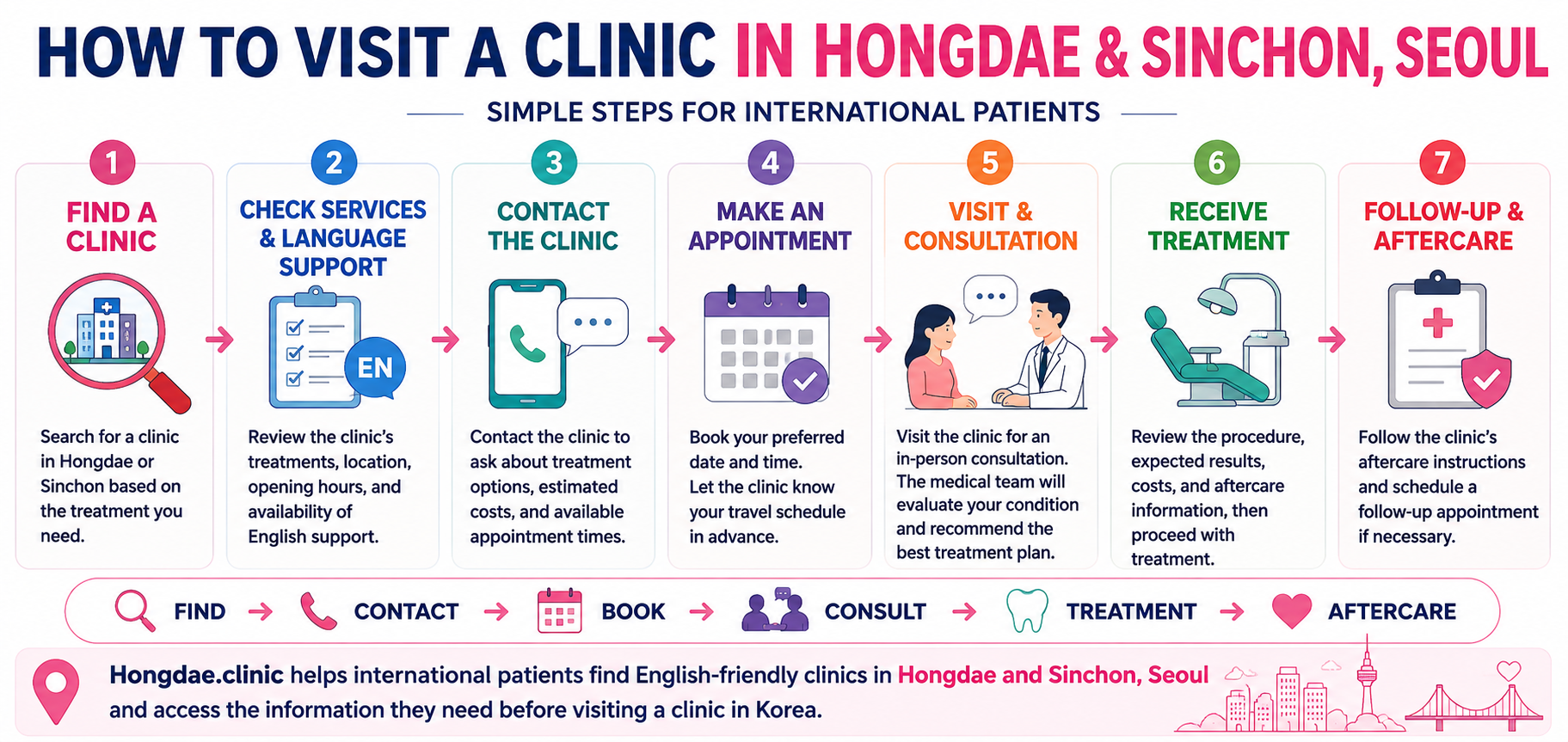
Yes. International patients can contact plastic surgery or maxillofacial clinics in Seoul regarding skeletal assessment, 3D planning, surgical options, recovery, postoperative monitoring, and English-language support.